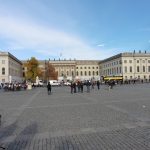
Checked into Bebelplatz

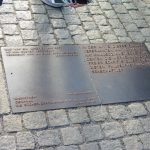
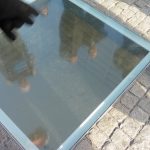
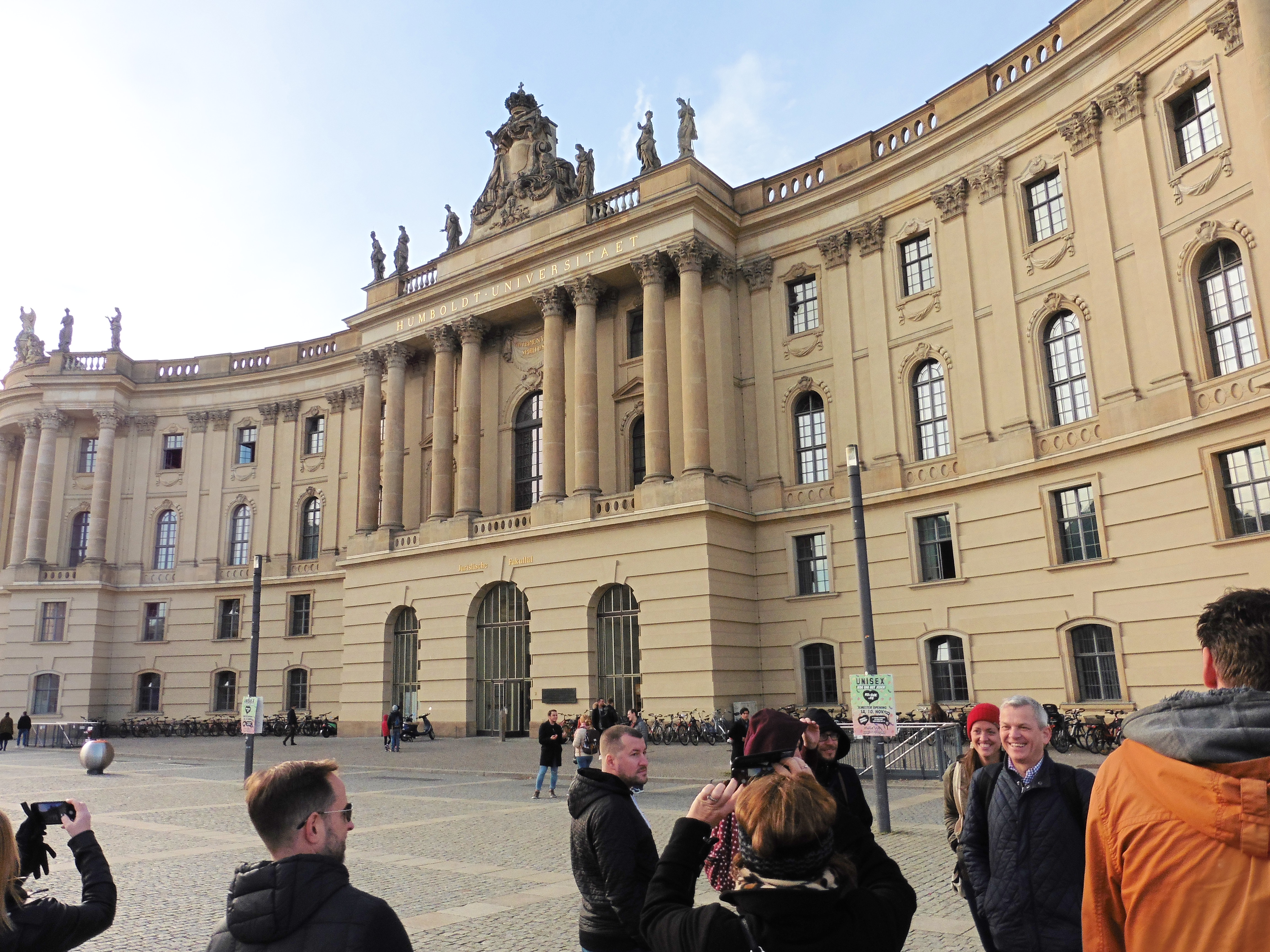
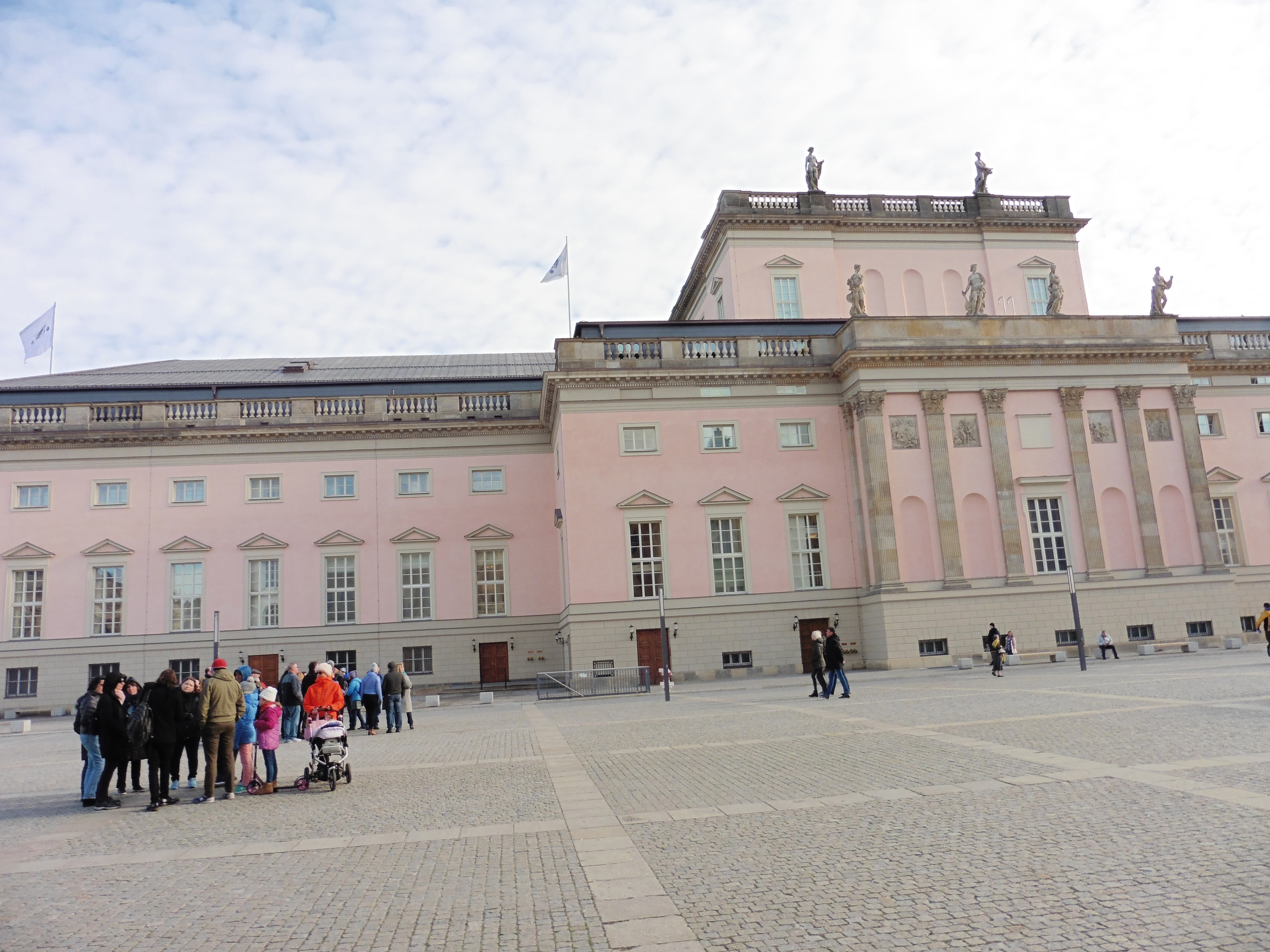
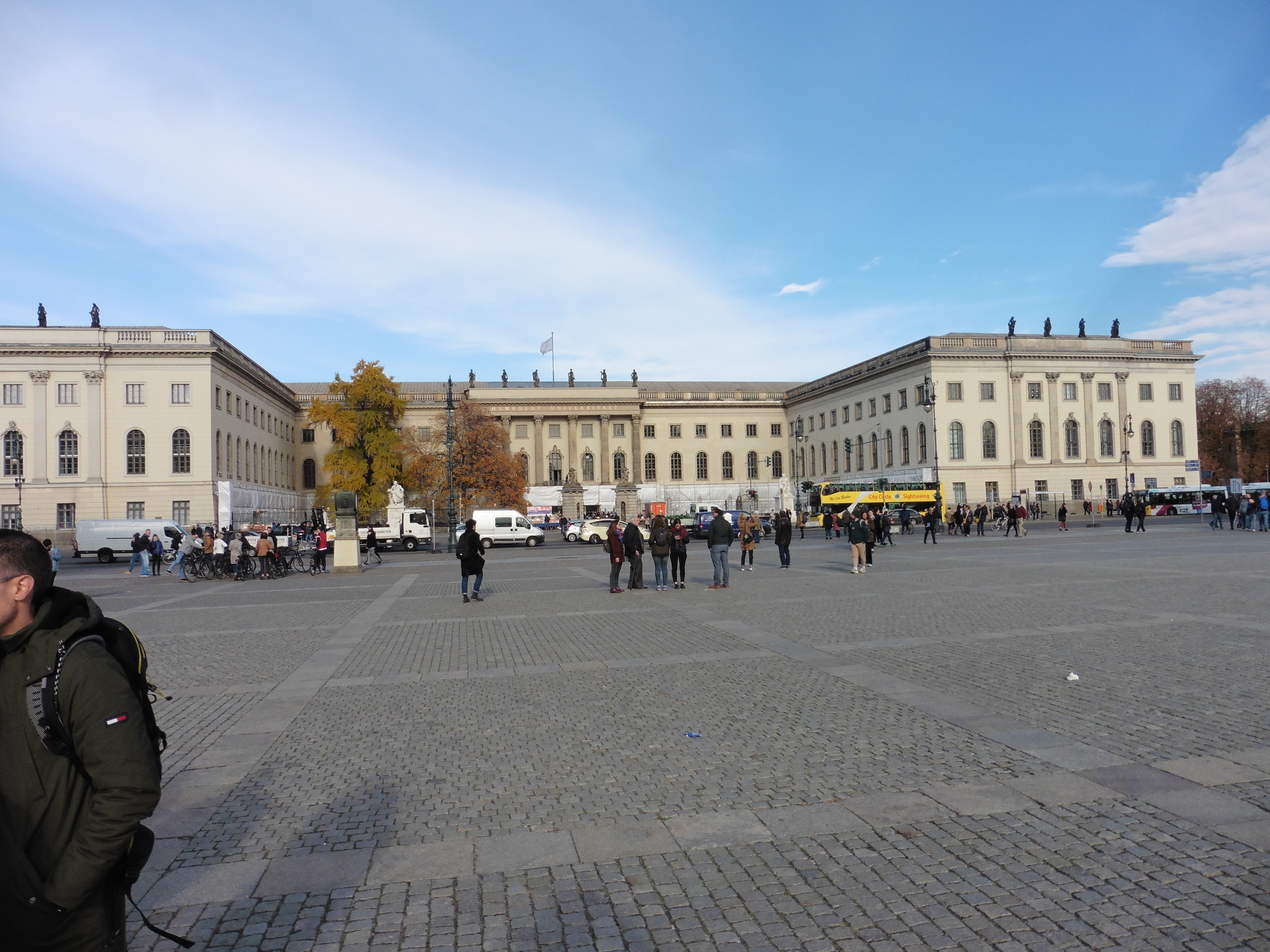
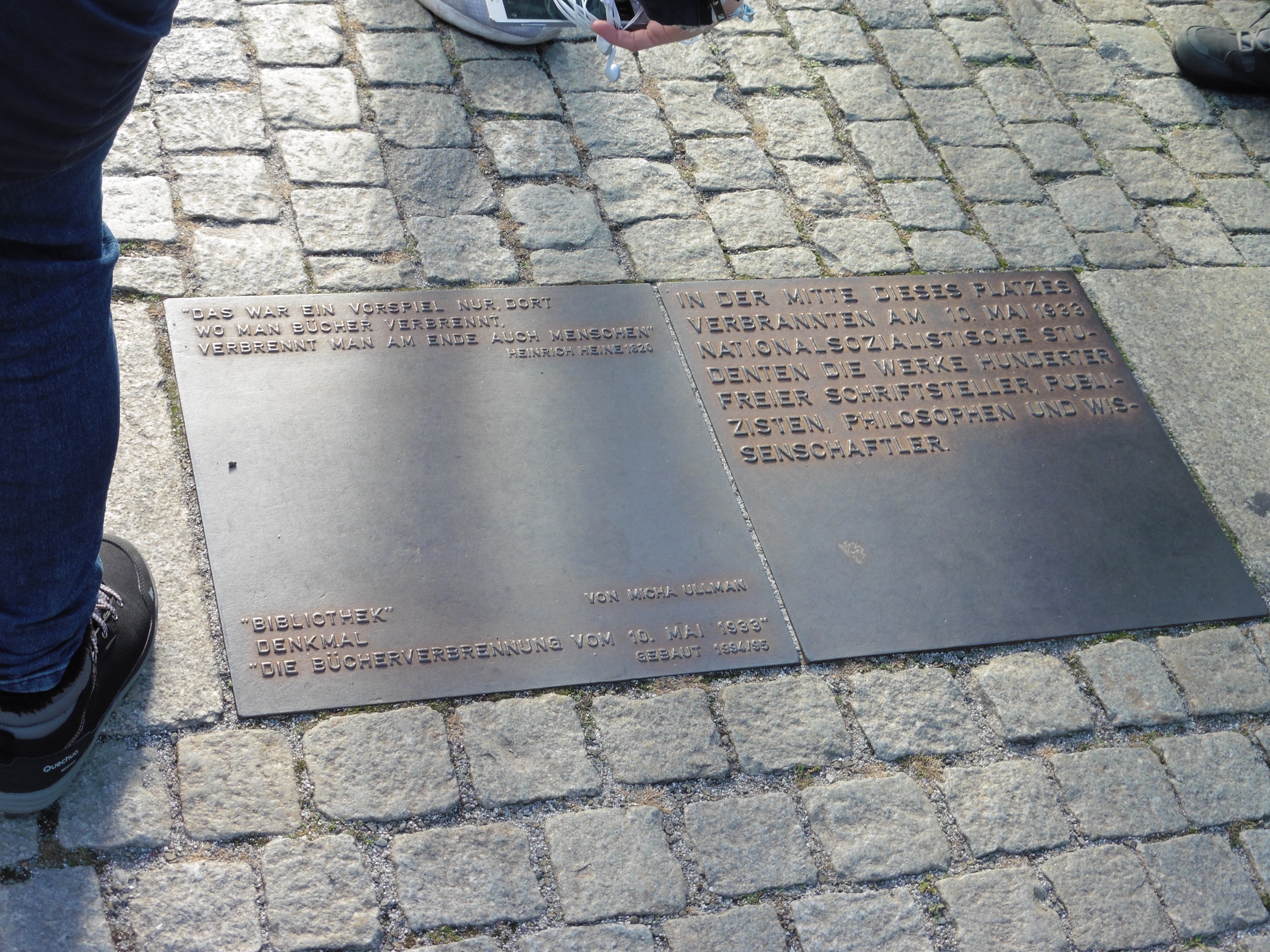
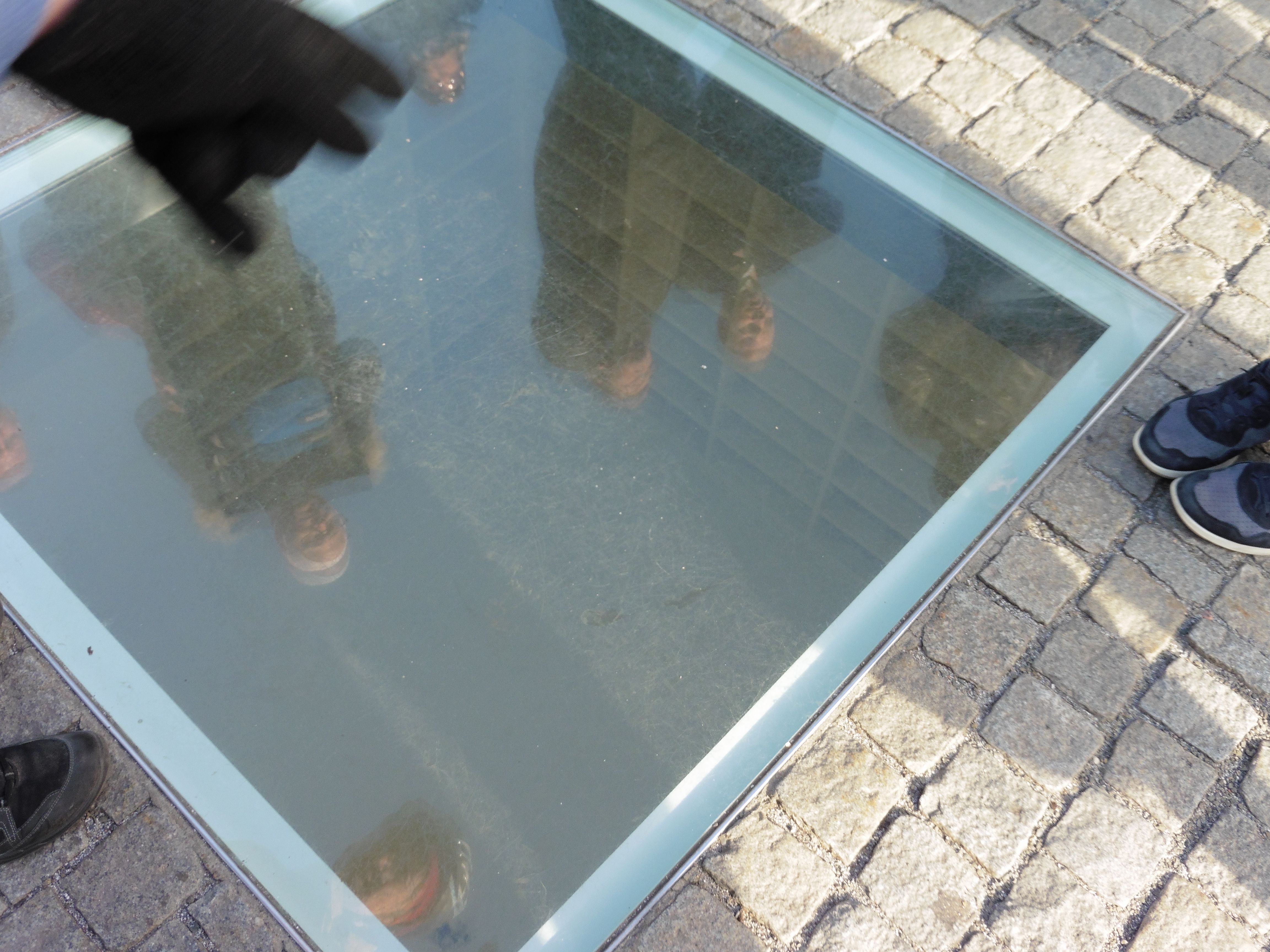
The Bebelplatz is known as the site of one of the infamous Nazi book burning ceremonies held in the evening of 10 May 1933 in many German university cities. Today a memorial consisting of a glass plate set into the cobbles, giving a view of empty bookcases (large enough to hold the total of the 20,000 burnt books), commemorates the book burning. Furthermore, a line of Heinrich Heine from his play, Almansor (1821), is engraved on a plaque inset in the square: “Das war ein Vorspiel nur, dort wo man Bรผcher verbrennt, verbrennt man am Ende auch Menschen.” (in English: “That was only a prelude; where they burn books, they will in the end also burn people”).
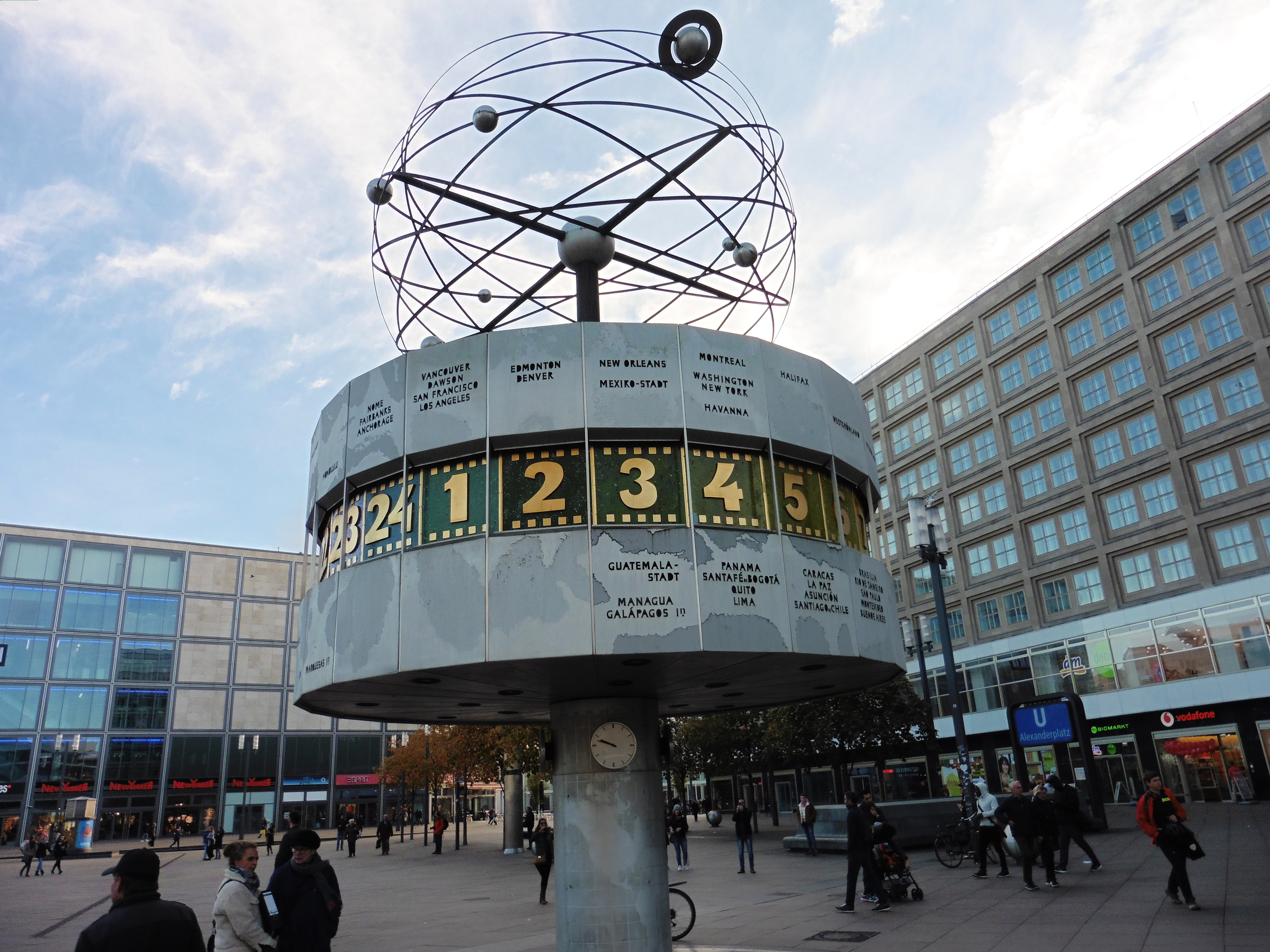
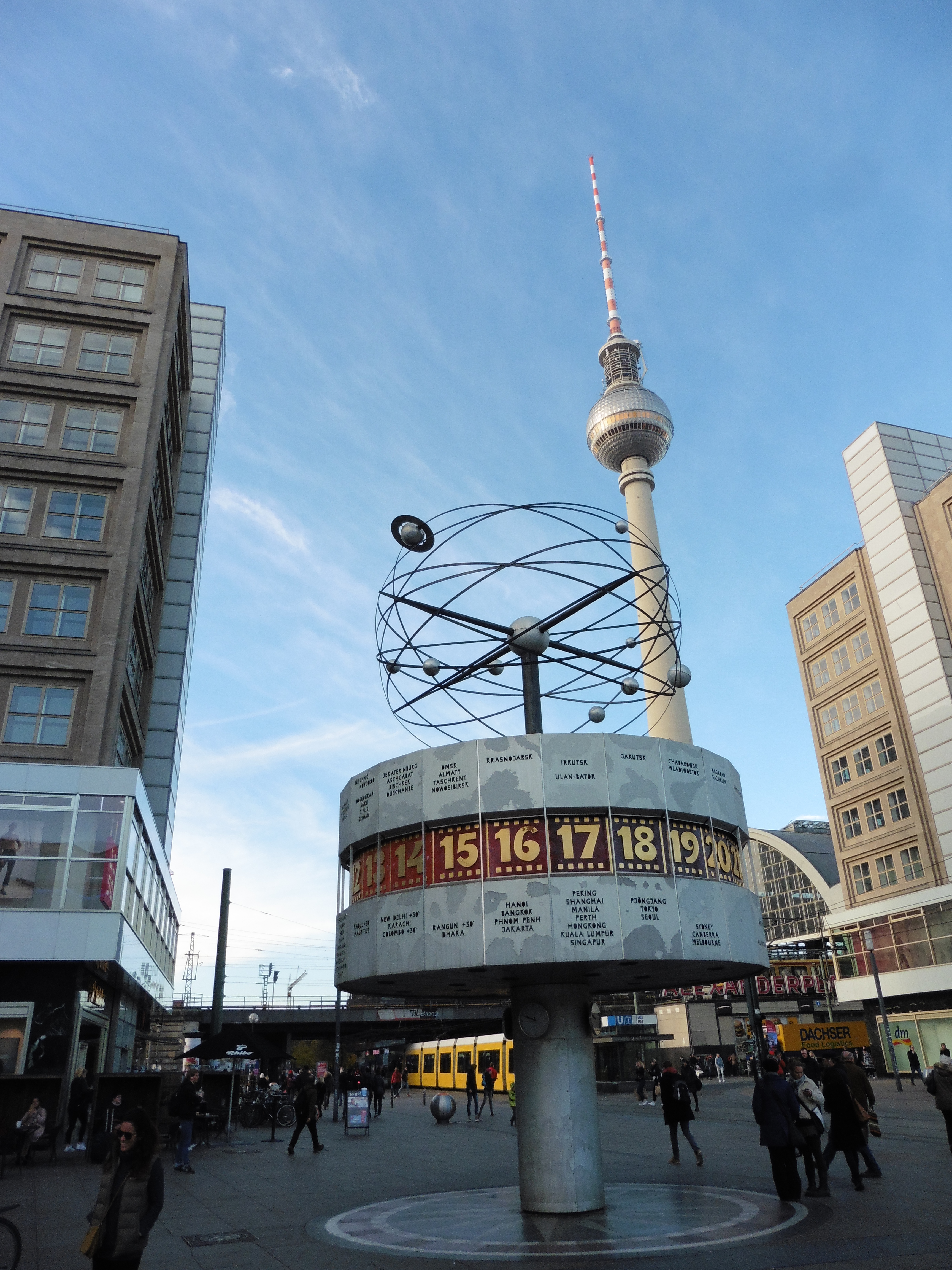
The sixteen ton world clock was opened to the public in 1969, shortly before the twentieth anniversary of the German Democratic Republic, along with the Berlin TV Tower(seen in the background). The erection of the clock was part of a larger plan to expand and reorganize Alexanderplatz as a whole. At the end of the renovations, the public square was four times larger than it was at the end of the World War II.

It was intended to be both a symbol of Communist power and of Berlin. It remains the latter today, as it is easily visible throughout the central and some suburban districts of Berlin. With its height of 368 metres (including antenna) it is the tallest structure in Germany, and the second-tallest structure in the European Union.