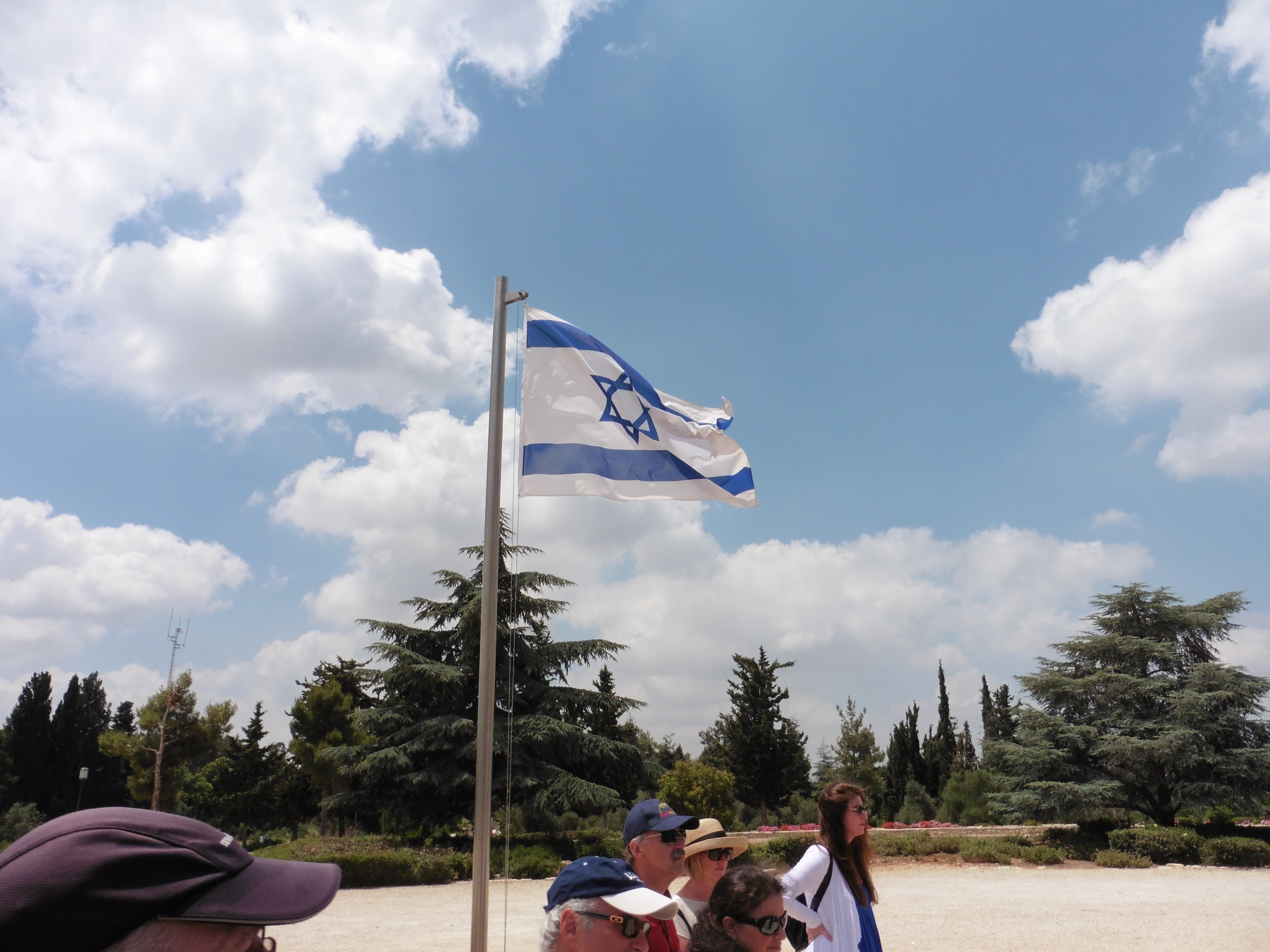
It’s finally time to finish this narrative. It’s only taken me six months of procrastination.
Thursday, June 11, 2015
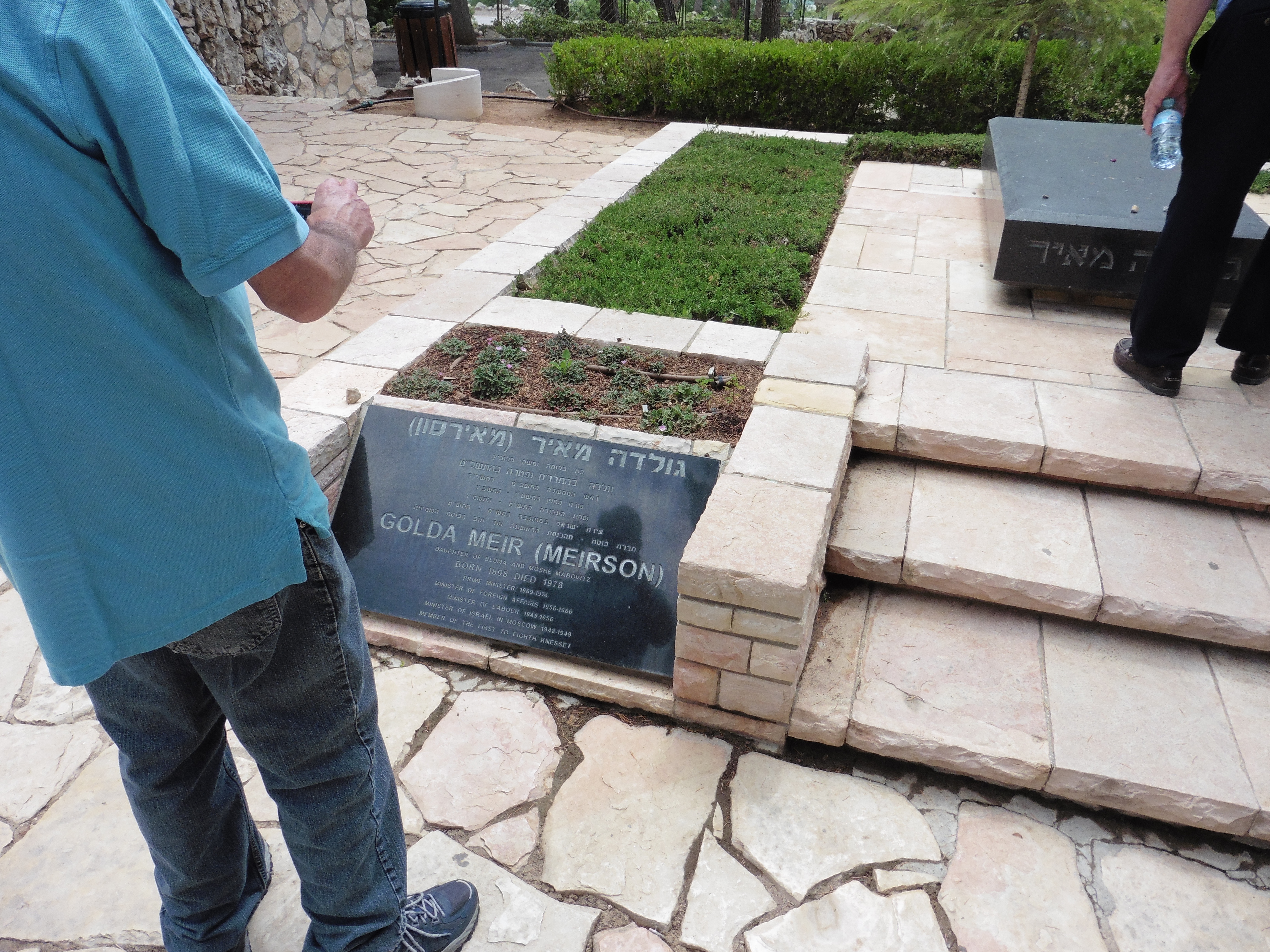
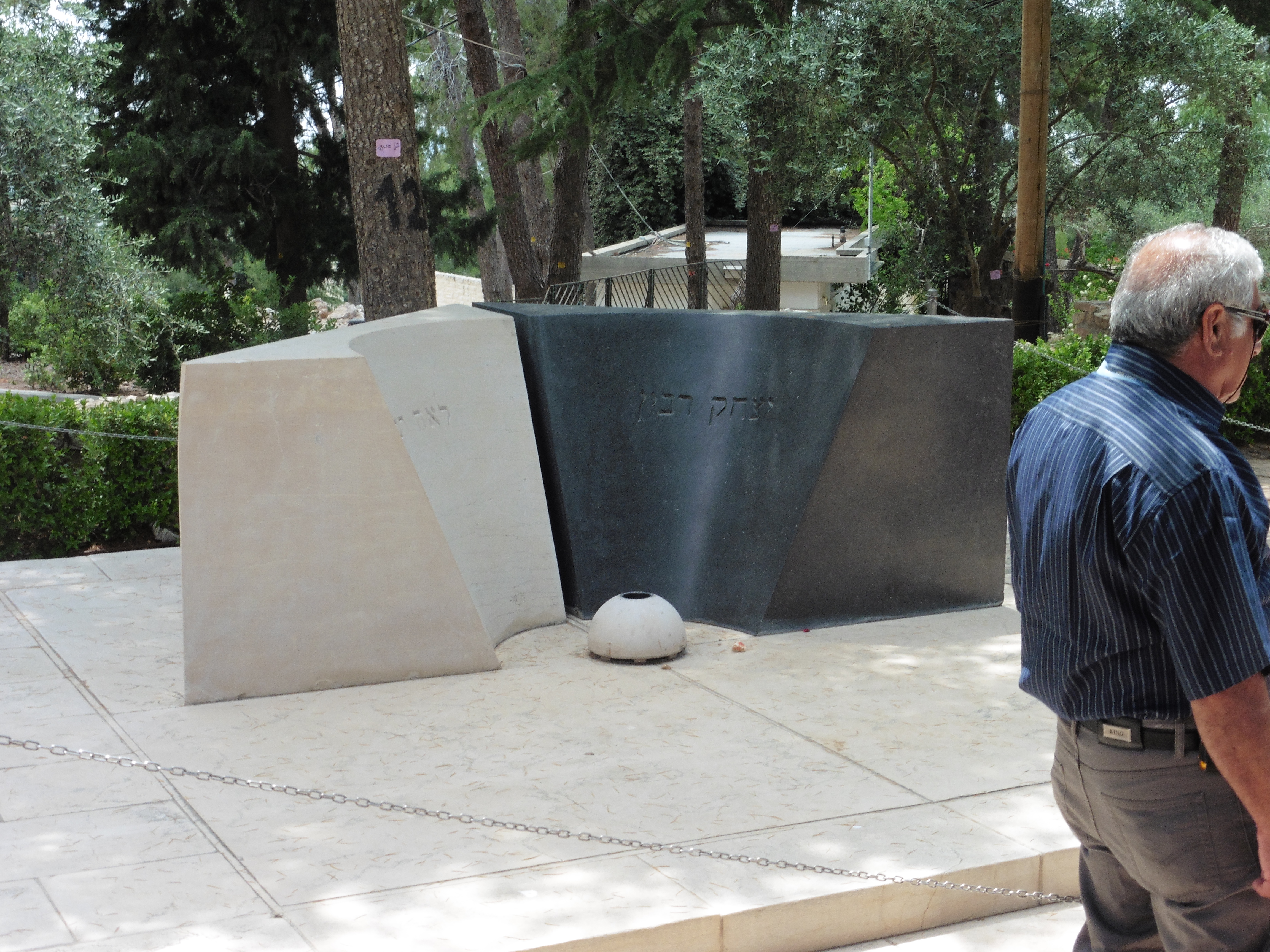
Mount Hertzl National Cemetery is the equivalent of Arlington for the United States. The cemetery contains not only people who sacrificed their lives for the state of Israel, but state leaders. The Presidents and Prime Ministers of Israel, as well as Speakers of the Knesset can be buried here. Teddy Kollek, the mayor of Jerusalem from 1965-1993 is also buried here.
Near the cemetary is Yad Vashem, established in 1953 and contains the Holocaust History Museum, the Children’s Memorial, the Hall of Remembrance, and several other exhibits. My photos at Yad Vashem were limited. Photos are not permitted in several parts of the complex out of respect for the subject.
A new museum was dedicated in 2005 which consists of 10 exhibition halls, and thus the Yad Vashem I had visited in 1999, and my father had visited in the 1970s had been transformed.
It is hard not to be silenced by the weight of the Holocaust. The Children’s Memorial is a tribute to approximately 1.5 million children who perished. Inside an underground cavern, light is reflected into infinity while the names, ages, and country of origin of murdered children are read.
The Hall of Names is a room in which the Pages of Testimony…short biographies of each Holocaust victim, are contained. Over two million pages are stored in the room. The ceiling of the room consists of a cone in which 600 photographs showing the diversity of those who were lost reflect into a pool below.
After a long day of touring, we returned to the hotel, ate at a place across the street that we saw, and went to bed for the final touring day
Friday, June 12, 2015
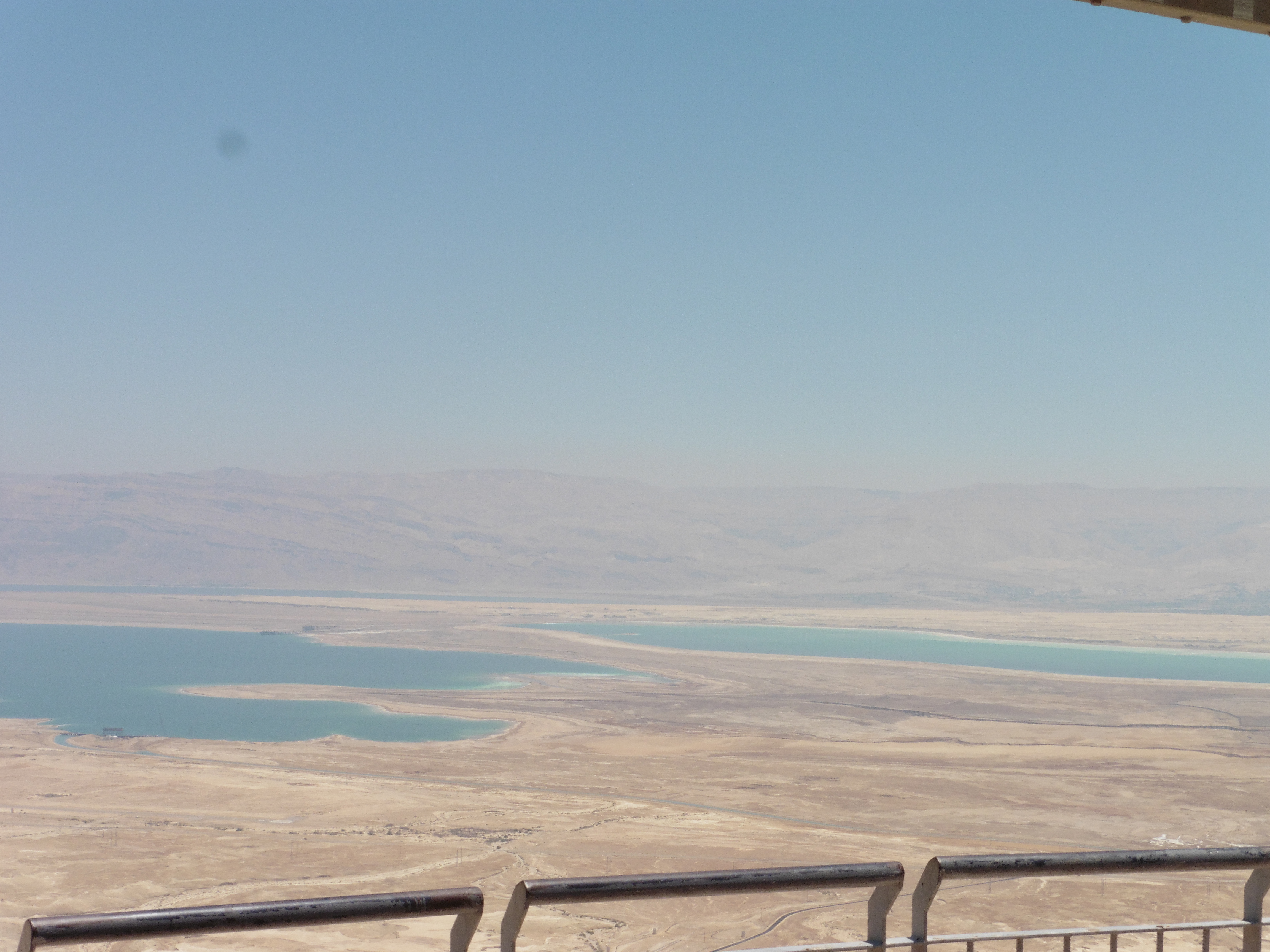
Masada is an ancient fortification built by Herod the Great. Almost all information regarding Masada comes from Roman historian Josephus. Herod himself, from most reports, never spent any length of time at Masada. The fortress is built on a plateau. The cliffs on one side are 1300 feet high, and on the other 300 feet high. The approaches are all rather difficult.
Masada is accessible by cable car as well as two hiking paths…the Snake Trail which is gains 980 feet in elevation over its length, and the Roman Ramp which is less steep. We took the cable car to the top. I have a long discomfort with heights, and I think I have satisfied my desire to see Masada for a long while.
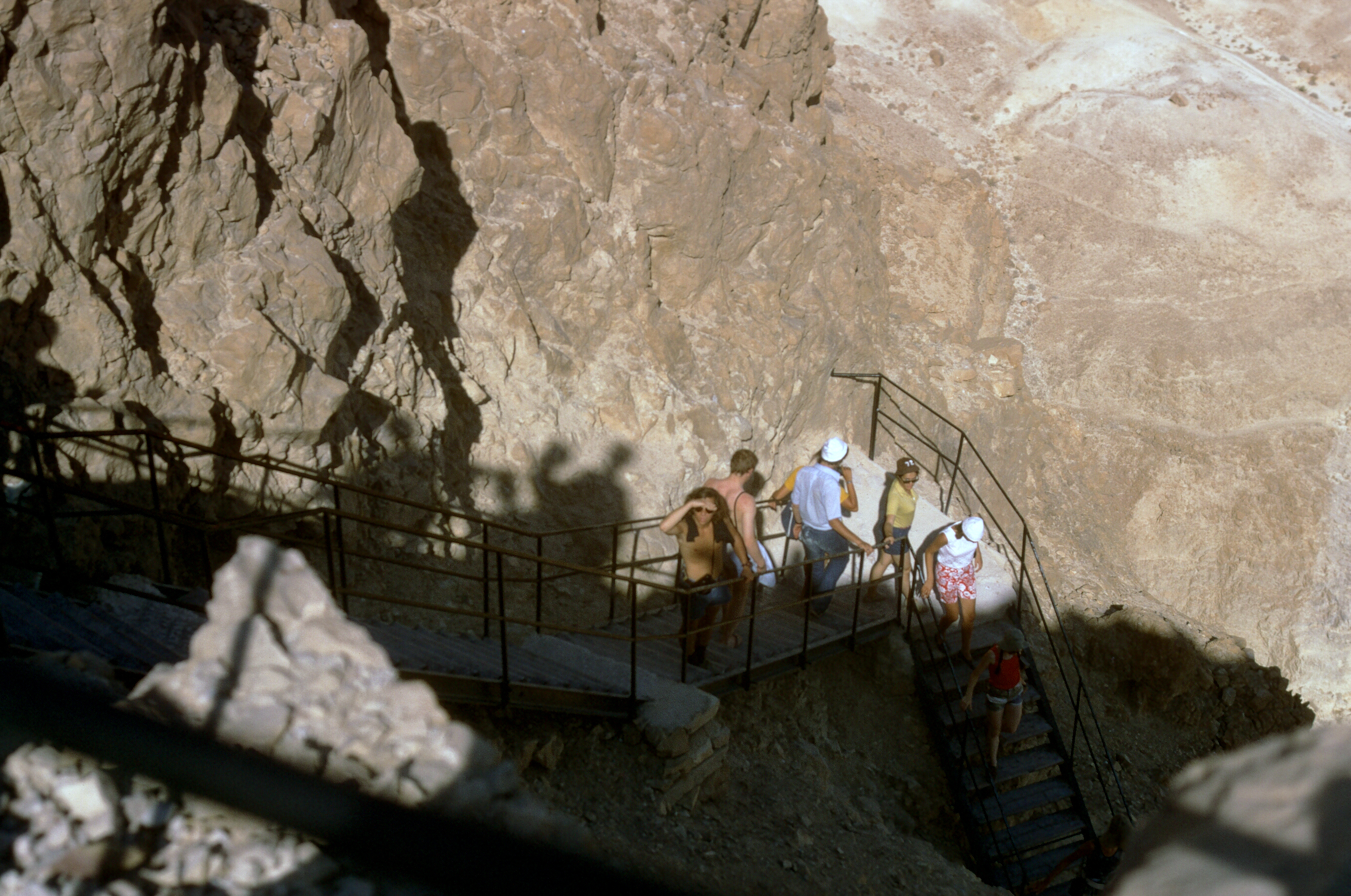
In 73CE, the Romans laid siege to Masada for several months. They constructed an assault ramp, built a giant siege tower with a battering ram, which they ultimately used to breach the walls of the fortress. The Romans employed some 15,000 troops at Masada. To prevent the rebels inside from attacking those building the ramp by throwing stones down at them, the Romans used Jewish prisoners to construct the ramp.
When the Romans finally breached the walls, they found that the 960 inhabitants inside had set all the buildings inside on fire and committed mass suicide. Only two women and five children were left alive. The figure of 960 comes from Josephus, although there have not been that many skeletal remains found. Inside Masada, they have unearthed 28 people, and at a cave at the base of the cliff, another 24. Josephus was not actually at the siege of Masada, and got his information from the accounts of the Roman Commanders, so there is a distinct possibility of inaccuracies.
After Masada, we headed toward lunch and the Dead Sea, with a stop at the Ahava factory. Ahava makes beauty products out of dead sea minerals. We hadn’t done much in terms of purchasing on the trip, but we did purchase some gifts there at a factory discount. I was recently in Costco. They were carrying an Ahava warehouse pack…I could have saved some space in my suitcase.
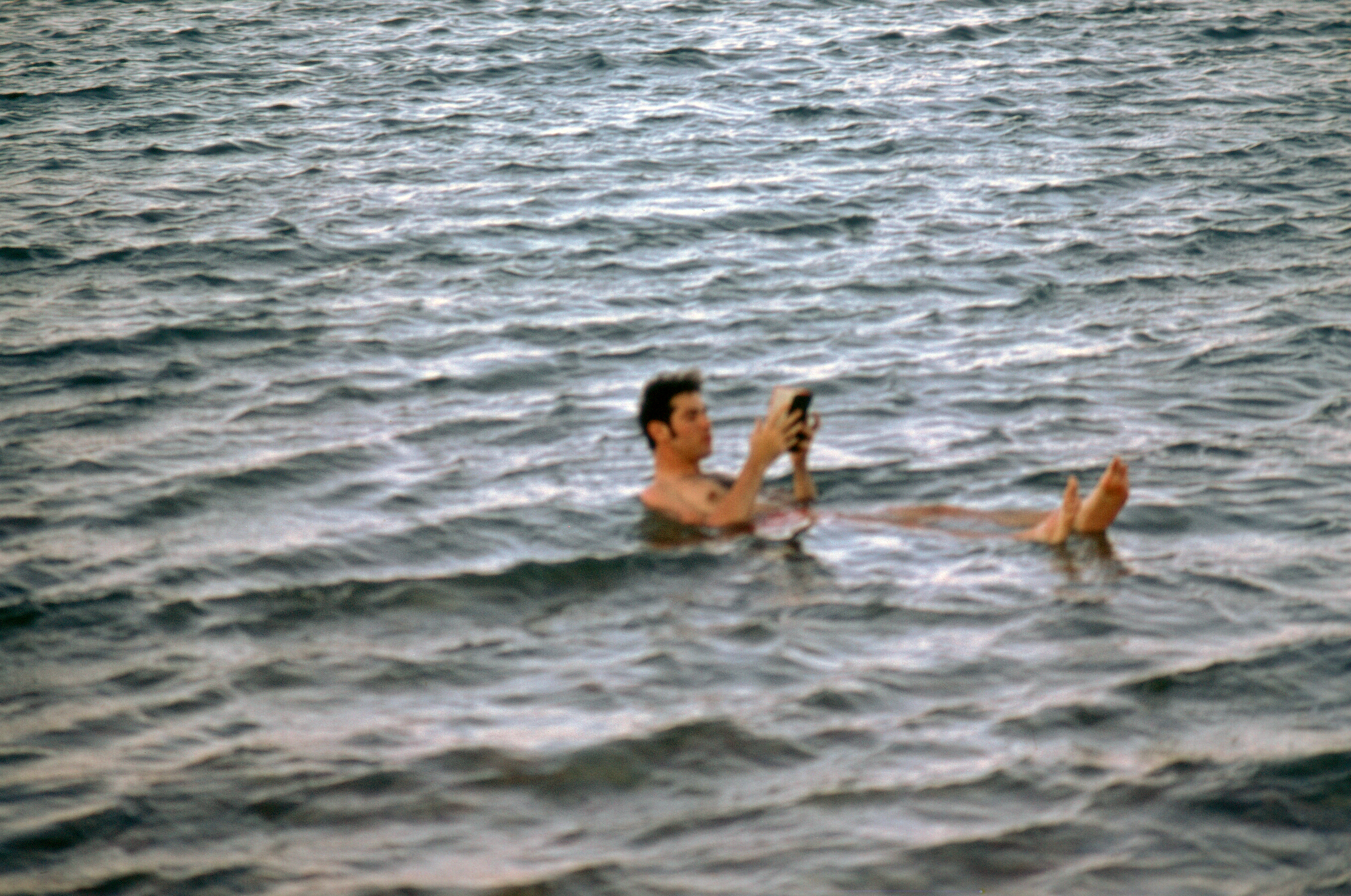
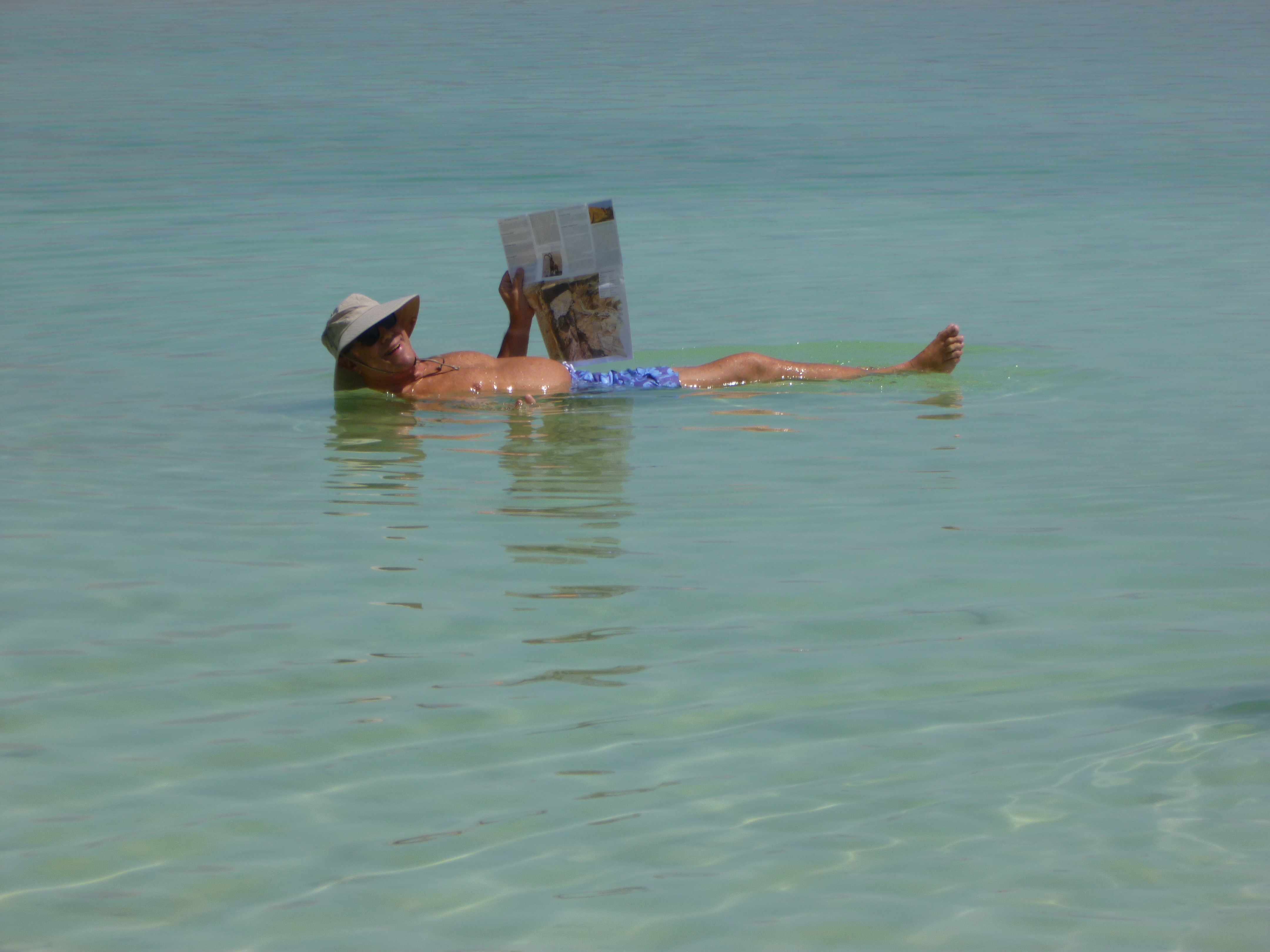
The Dead Seat is 1407 feet below sea level and is bordered by Jordan and Israel. It is one of the saltiests bodies of water in the World. Because of its density, trying to swim is much more like floating. There is concern about the future of the Dead Sea as in January of 2015, it was reported as dropping by three feet a year.
We accessed the sea via one of the hotels, where we had lunch and where we had access to their locker room and shower facilities, as well as their pool and…of course the sea itself.
After our dip was over, we returned to Jerusalem for Shabbat. On Friday night, we attempted to attend services in the hotel, but despite being there at the posted time…no one showed up but us.
Saturday, June 13, 2015
After the lack of services the previous evening, we decided to try the Great Synagogue of Jerusalem, which happened to be a short walk away. The building opened in 1982 and the sanctuary holds 850 men and 550 women. However, we never saw it. When we arrived, we were trying to find services, and wandered into another synagogue that is in the Great Synagogue building, the Heichal Jacob Synagogue, which is a small Sephardic synagogue in the building, and ended up attending that.
It is interesting to me, that despite the differences in tradition even from Sephardic services in the United States I’d attended, I could follow the service after I got used to the accent. In my experience, a blessing by the Kohanim is only done on holidays, but apparently in this tradition, they do it every Shabbat. At the end of the service, we were asked to smell a plant on the way out.
After services, we had lunch and took a walk, then rested up for the flight home.
The plane arrived later than scheduled on Sunday, and I was at my desk working that afternoon.
Conclusion
Obviously, I did take many more pictures than I showed in this ten part series. They may make a reappearance in future.
As a teaser, coming soon(or someday), I will be adding a trip log of the events of April 10 through April 25, 1999, when I participated in the March of the Living. I had mentioned previously they had ‘encouraged’ us to transcribe the trip and I dug up those notes and the images of same.