The Definitive Location

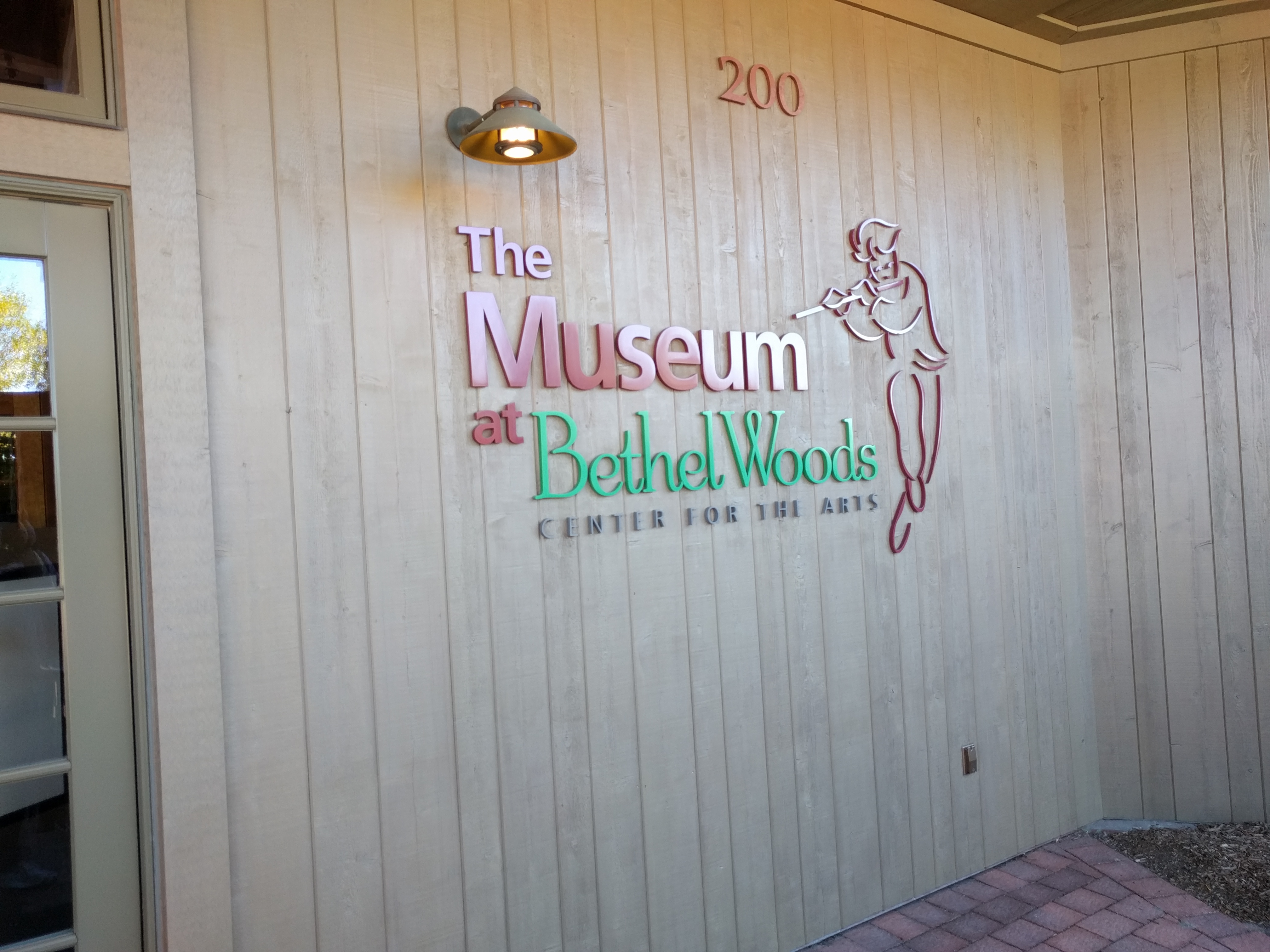
Went over to the Bethel Woods museum as part of a drive to see some of the Fall Foliage.
Through December 31st, they have a Special Exhibit on the photos of LIFE Magazine photographer Grey Villet that is worth seeing. Apparently there is also a book of his photos that might be published. Villet photographed Batista and Castro, Martin Luther King, and more.
Their general exhibit on the history of Woodstock was also worth seeing. Woodstock began as a financial enterprise…..a music festival that had so many attendees show up that the organizers quickly realized they couldn’t possibly take tickets and made the concert free. Tickets cost $18 in advance and 186,000 tickets were sold, but more than double that amount actually showed up. It must have been an amazing sight.
 Goodbye Berlin

The first change is the introduction of the metadata endpoint. This means that instead of a Link header for every endpoint, there is one endpoint that has parameters for all the other endpoints. This means even if an extension like Ticket Auth(which requires another endpoint) is optional, it won’t require another header.
This is something we have in Micropub, where the media endpoint does not have its own link header(although there is a proposal to change that). But it does mean you have to make two requests(caching aside) instead of one in discovery.
The metadata endpoint also provides some configuration information on what the endpoints support, such as which scopes, which can be useful.
The introspection endpoint, introduced in 4.1.0, as a result, is no longer sharing a URL with the token endpoint. The side effect of needing to implement proof of concept….as the introspection proposal has yet to be merged. Until it is, it is considered experimental.
The new revocation endpoint allows this feature to be separated from the token endpoint as well. The old method still works for the foreseeable future.
The final endpoint added, the userinfo endpoint, is just a way of getting a refreshed version of the profile info returned when you make the initial request. This also being experimental till merged.
All of this, as well as some minor tweaks and optimizations, works, and is fully backward compatible. At some point in the future, when adoption changes, will be looking to deprecate older methods.
All of this is a step along the way of making IndieAuth not so much a separate protocol, but what it is described as….an identity layer on top of OAuth 2.0(or increasingly on top of the proposed OAuth 2.1), with the changes meaning less custom code.
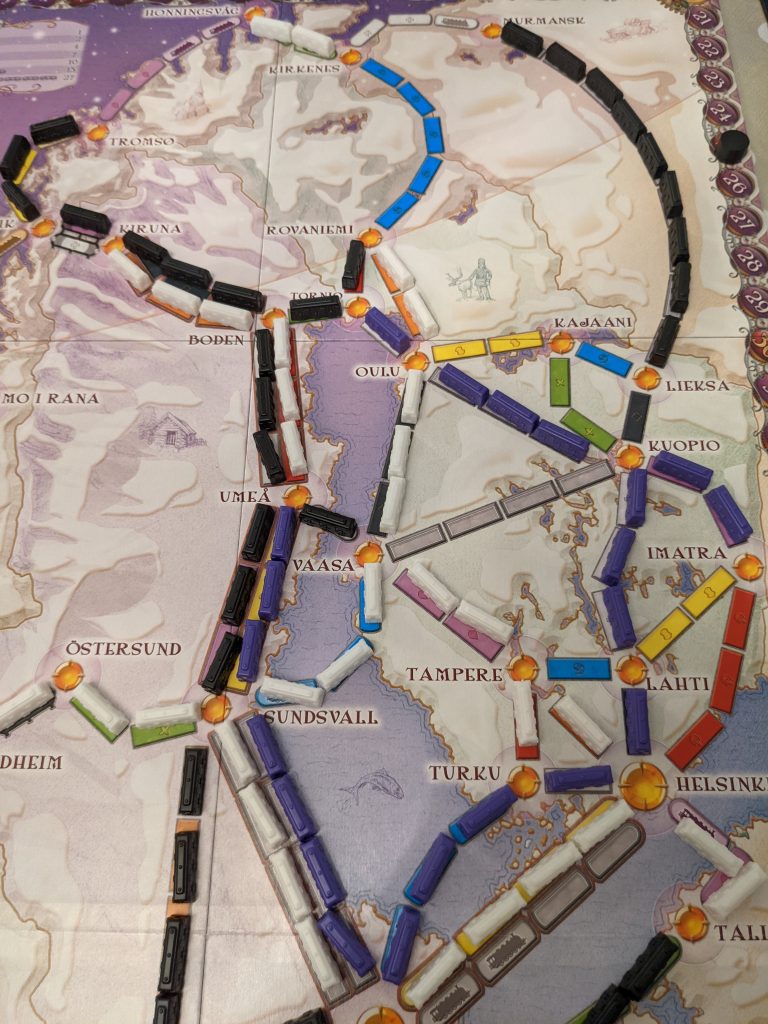
I made my way to Rovaniemi too.
About 110 years ago, a book was checked out from a Boise library, and it's finally been returned.